

Proper maintenance of Lucifer Solenoid Valves is essential for ensuring reliable operation, optimising system performance, and reducing unplanned downtime in industrial applications. At Heaps, we understand that these valves are critical components in air, gas, steam, and liquid systems. Maintaining them correctly safeguards productivity, safety, and compliance with industry standards.
Lucifer Solenoid Valves: Why Maintenance Matters
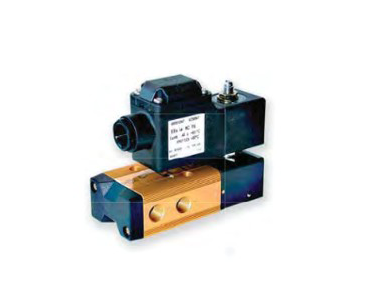
Lucifer Solenoid Valves from the Parker Lucifer Series are engineered for demanding industrial environments. The range includes 2, 3, and 4 way designs, suitable for direct pipe mounting or NAMUR interfaces. Available in stainless steel, brass, aluminium, and synthetic materials, these valves are compliant with European Cenelec and ATEX standards (EEx e, EEx m, EExia IIC T6), making them ideal for hazardous areas.
Maintaining solenoid valves is critical because they operate under pressure and often handle challenging fluids. Over time, deposits, seal wear, or debris can reduce efficiency, cause leaks, or prevent proper actuation. Following maintenance best practices ensures your Parker Lucifer Series solenoid valves perform reliably and avoid costly interruptions.
Key Maintenance Best Practices for Lucifer Solenoid Valves
- Regular Inspection and Cleaning of Solenoid Valves
Frequent visual inspections identify signs of wear, corrosion, or damage to the valve body and connections:
- Check for leaks around seals and fittings.
- Ensure the solenoid coil is free from dust, moisture, and contaminants.
- Inspect valve ports for blockages, particularly when handling fluids that carry particulates.
Cleaning methods should match the fluid type. Water and neutral gases may only require flushing, while oils or process fluids may need disassembly and careful cleaning to protect seals.
- Check and Replace Seals as Needed
The Parker Lucifer Series offers a broad selection of seal materials, including NBR, FKM, EPDM, PTFE, PCTFE, PUR, and Ruby, each suited to different fluids and temperature ranges.
- Inspect seals for cracking, deformation, or chemical degradation.
- Replace worn seals with the correct material for the application.
- Maintain a log of seal replacements to plan future maintenance intervals.
Using the correct seal material prevents leaks and ensures reliable valve operation under pressure.
- Verify Coil Function and Electrical Connections
Solenoid valves rely on electromagnetic coils to actuate. Over time, connections may loosen or corrode:
- Inspect the coil for damage or discoloration.
- Ensure electrical connections are secure and protected from moisture.
- Test voltage and current against valve specifications to confirm proper operation.
Regular electrical checks prevent failures that could halt operations or damage equipment.
- Monitor Pressure and Flow Conditions
Lucifer Solenoid Valves are engineered to handle pressures up to 100 bar and flow rates up to 1385 L/min. Operating outside these specifications can shorten valve lifespan:
- Use pressure gauges to ensure the system stays within rated limits.
- Monitor flow rates to prevent overloading the valve or causing cavitation.
- Verify correct configuration for valves installed in series or parallel.
Maintaining proper pressure and flow ensures reliable performance and reduces maintenance needs.
- Maintain an Appropriate Operating Environment
Environmental factors significantly impact solenoid valve longevity:
- Install valves in areas free from excessive dust, vibration, or corrosive atmospheres.
- For hazardous areas, confirm compliance with ATEX and Cenelec ratings.
- Consider protective housings for outdoor installations or aggressive chemical environments.
Proper installation complements routine maintenance and preserves valve integrity.
Heaps’ Approach to Valve Maintenance
At Heaps, we recommend integrating preventive maintenance programs into operational schedules. Our technical team can help develop a plan tailored to your system, considering:
- Valve type and size (G1/8 to G3)
- Fluid characteristics and pressure range
- Seal material and environmental conditions
We provide guidance on component replacement, material selection, and troubleshooting common issues to reduce downtime and ensure system reliability.
Practical Examples of Effective Maintenance
- Chemical Plant: Regular inspection and timely replacement of EPDM seals prevented unplanned shutdowns in a facility handling aggressive process fluids.
- Food & Beverage Processing: Routine cleaning and coil checks for valves handling water and neutral gases prevented contamination and maintained production flow.
These examples show that consistent maintenance protects equipment, improves efficiency, and ensures safety.
Tips for Extending Valve Lifespan
- Schedule inspections according to fluid type and operating conditions.
- Keep a maintenance log to track inspections, repairs, and replacements.
- Use genuine Parker Lucifer Series replacement seals and components.
- Train staff on correct operation and emergency procedures.
- Install upstream filters or strainers to prevent particulate damage.
Following these tips helps industrial operators extend the life of Lucifer Solenoid Valves and optimise system performance.
FAQs About Maintaining Lucifer Solenoid Valves
Q1: How often should Lucifer Solenoid Valves be inspected?
Inspection frequency depends on operating conditions, fluid type, and valve material. Generally, high-use or aggressive fluid applications require quarterly inspections.
Q2: Which seal material is best for corrosive fluids?
Materials such as PTFE, PCTFE, and Ruby seals offer superior chemical resistance for corrosive applications.
Q3: Can solenoid valves be cleaned without disassembly?
For water and neutral gases, flushing may suffice, but oils or process fluids usually require partial disassembly for thorough cleaning.
Maintaining Reliability with Lucifer Solenoid Valves
Regular maintenance of Lucifer Solenoid Valves is essential for reliable, safe, and efficient industrial operations. Following best practices in inspection, cleaning, seal replacement, electrical checks, and environmental managementensures valves perform as designed, minimising downtime and protecting productivity.
Investing in proper maintenance protects your operations, reduces costly repairs, and extends the service life of your Parker Lucifer Series valves.
For expert advice on maintaining your Lucifer Solenoid Valves, contact Heaps today.
Keep your systems running efficiently and safely with Parker Lucifer Series valves.