

If you work in process control, you will know that the integrity of your instrumentation system is only as strong as its weakest connection. A single compromised fitting or poorly specified valve can mean fugitive emissions, unplanned downtime, or in the worst cases, a serious safety incident. It is not a risk worth taking.
Parker Hannifin instrumentation products are widely regarded as the benchmark for process engineers working in demanding environments. In this guide, we want to walk you through how the Parker instrumentation range fits together, how to specify the right components for your application, and why getting these decisions right matters so much in the field.
1. How the Parker Instrumentation Range Fits Together
One of the most important things to understand about Parker instrumentation is that it is designed as a complete system, not a collection of individual parts. From the process connection right through to the measuring instrument, every component in the Parker range is engineered to work with the others.
The three pillars of the system are:
- Fittings: Creating reliable, leak-free connections between tubing runs throughout your instrument system.
- Valves: Controlling, directing, and isolating fluid or gas flow at every point in the hook-up.
- Manifolds: Bringing isolation, equalise, and vent functions together into a single block, reducing the number of connections and potential leak paths.
When you specify all three from the Parker range, you get a system where metallurgical compatibility, pressure ratings, and performance characteristics are consistent end to end. That consistency is what gives you confidence when the system goes into service.
2. Specifying Parker Instrumentation Fittings
When you are selecting tube fittings for an instrumentation system, your primary concerns are almost always the same: will it hold under vibration, will it cope with thermal cycling, and will it seal reliably over the life of the installation? Parker’s fitting range is built around those three demands.
One point worth making clearly before anything else: Parker fittings should not be intermixed with fittings from other manufacturers, even where the dimensions look compatible. The machining tolerances between brands differ, and mixing components can compromise the seal, void your warranty, and introduce risk into a pressurised system. It is a common mistake on brownfield sites where fittings from different sources end up in the same hook-up. Wherever possible, keep your system consistent.
A-LOK® Two-Ferrule Tube Fittings
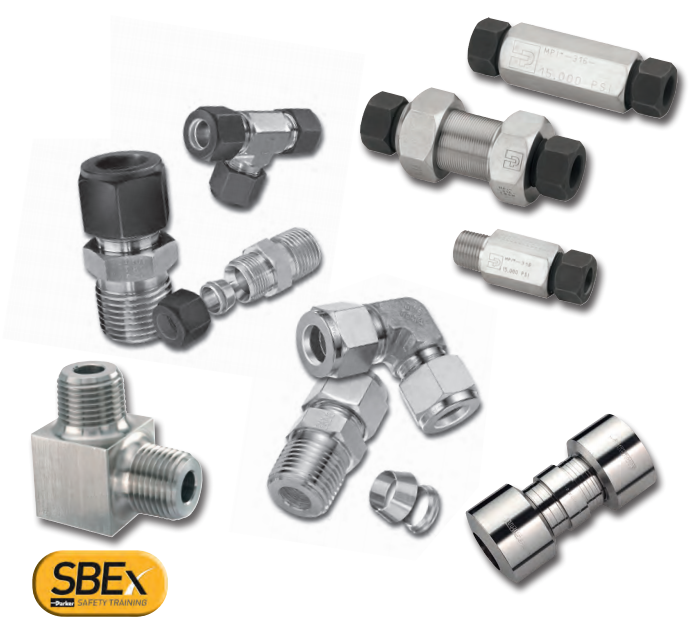
The A-LOK® system uses a two-ferrule design where the front ferrule handles the sealing and the back ferrule grips the tube. Separating these two functions means the fitting performs reliably under high vibration – making it the right choice for offshore platforms, compressor skids, and any installation subject to continuous movement or mechanical shock. When specifying, you will need to know your tube outside diameter (OD), wall thickness, material grade (commonly 316L stainless or Alloy 400), and the maximum operating pressure and temperature for the service.
CPI™ Single-Ferrule Tube Fittings
The CPI™ system uses a single ferrule to grip and seal in one action. Installation is slightly simpler and quicker than the two-ferrule system, which makes CPI™ a practical choice for chemical and processing applications where vibration loads are lower and installation efficiency is a factor.
Compression Fittings and Threaded Connections
If you are working on a UK site with legacy plant, you will often encounter a mix of imperial tube sizes and BSP or NPT threaded connections. Parker’s range covers both, so you can specify new instrumentation that connects into existing pipework without needing adaptors that add extra joints and extra leak paths. It is worth reviewing your site standards early in the specification process to make sure you are selecting the right end connections throughout.
3. Parker Instrumentation Valves: What to Specify and When
The valve selection in an instrument hook-up has a direct effect on how safely and accurately your system controls and measures flow. Parker instrumentation valves are designed to give you precise, reliable performance even under high pressure differentials and in aggressive media.
Needle Valves
Needle valves are the workhorses of instrument impulse lines and gauge isolation duties. Parker’s forged body needle valves give you fine flow regulation and the ability to handle extreme pressures, which is why you will find them on pressure transmitter hook-ups and sample connections across oil and gas, power, and chemical plant.
Ball Valves
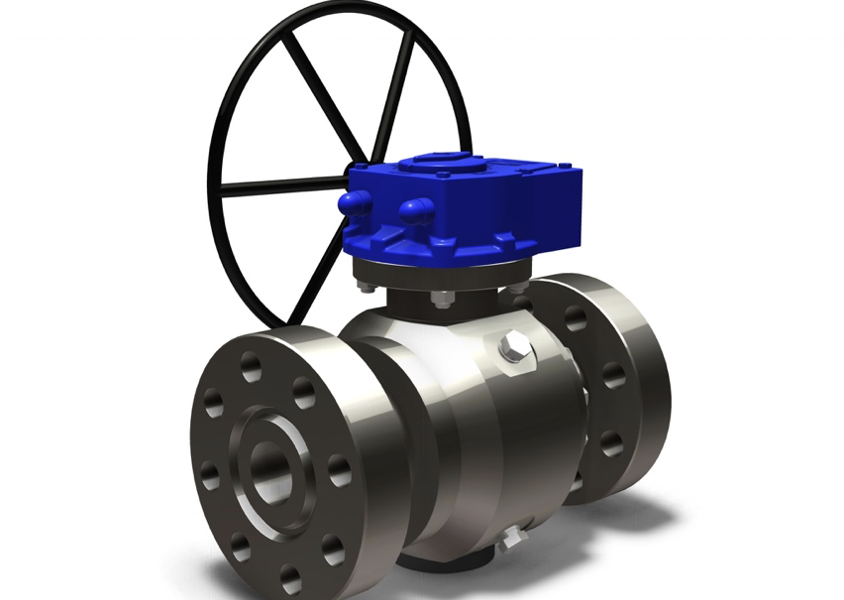
Where you need fast, dependable on/off isolation, Parker ball valves are the right tool. They operate with low torque even at high pressure differentials, and their compact body makes them easy to fit into tight instrument hook-ups around transmitters and gauges where space is always at a premium.
Check Valves
If you have sensitive instruments or equipment downstream, check valves are often an essential line of defence. Parker check valves are manufactured to specific cracking pressures, which means you can match the valve precisely to the flow conditions in your system rather than accepting a generic specification. They are available in inline and angle body configurations and use either spring-loaded poppet or ball-and-seat mechanisms depending on your cracking pressure requirements, flow rates, and fluid type. In practice, you will most commonly see them specified on sample lines, chemical injection points, and anywhere that reverse flow would contaminate or damage downstream instrumentation.
4. Building a Better Instrument Hook-up
The instrument hook-up – the transition from your process piping to the measuring instrument – is where a lot of potential leak paths are introduced if it is not engineered carefully. Traditionally, a hook-up might involve a series of individual valves, nipples, and fittings, each one a threaded connection that could weep over time.
The better approach is to combine Parker tube fittings with a Parker Instrumentation Manifold. The manifold consolidates your isolation, equalise, and vent functions into a single machined block, which dramatically reduces the number of individual connections in the hook-up. Parker tube fittings then lock the tubing securely into place at either end, giving you a compact, vibration-resistant assembly that is significantly safer and easier to maintain. If you want to look at manifold selection in more detail, our guide to Parker Instrumentation Manifolds covers the full range.
5. Which Industries Use Parker Instrumentation?
Parker instrumentation components are used wherever precision, reliability, and material integrity are non-negotiable. The industries where we see them specified most frequently are:
- Oil & Gas: High-pressure, corrosive, and sour gas environments onshore and offshore, where NACE compliance and absolute containment are mandatory.
- Petrochemical: Volatile and aggressive process fluids where even trace fugitive emissions carry serious regulatory and safety consequences.
- Power Generation: High-temperature steam systems, cooling water circuits, and instrumentation headers where long-term reliability is critical.
- Water Treatment & Utilities: Dosing systems, process monitoring, and instrumentation headers across municipal and industrial water infrastructure.
- Pharmaceutical & Bioprocessing: Sanitary environments where material cleanliness, traceability, and corrosion resistance are essential for product integrity and regulatory compliance.
6. Why Genuine Parker Components Matter
This is worth addressing directly because it comes up regularly: mixing Parker components with fittings or valves from other manufacturers – even where dimensions appear compatible — creates real risk. Micro-variations in machining tolerances between brands can compromise your seal, and in a pressurised system that matters. It also voids your warranties. Field failures in instrument connections have been traced directly to intermixed components on plant that looked perfectly assembled.
When you specify genuine Parker parts, you also get access to Heat Code Traceability (HCT). Parker documents the metallurgical origins of every component, so if a material issue is ever identified – anywhere in the world – you can trace your specific fitting or valve back to the exact mill and batch. For compliance audits and incident investigations, that traceability is invaluable.
Genuine Parker parts are also manufactured to meet ISO, NACE MR0175/ISO 15156, and NORSOK, so your installation stays compliant and insurable.
Speak to Our Team
We hold extensive stock of Parker Instrumentation fittings, valves, and manifolds in the UK, and our team is experienced in helping engineers specify the right components for their specific application – whether that means the right alloy grade, the correct thread standard for your site, or matching a pressure rating to an existing system.
Get in touch with your tube OD, material requirement, and operating conditions and we will help you specify the right Parker fitting and valve combination for your hook-up. You can explore the full Parker Instrumentation range on our website or call our technical team to talk through your project.