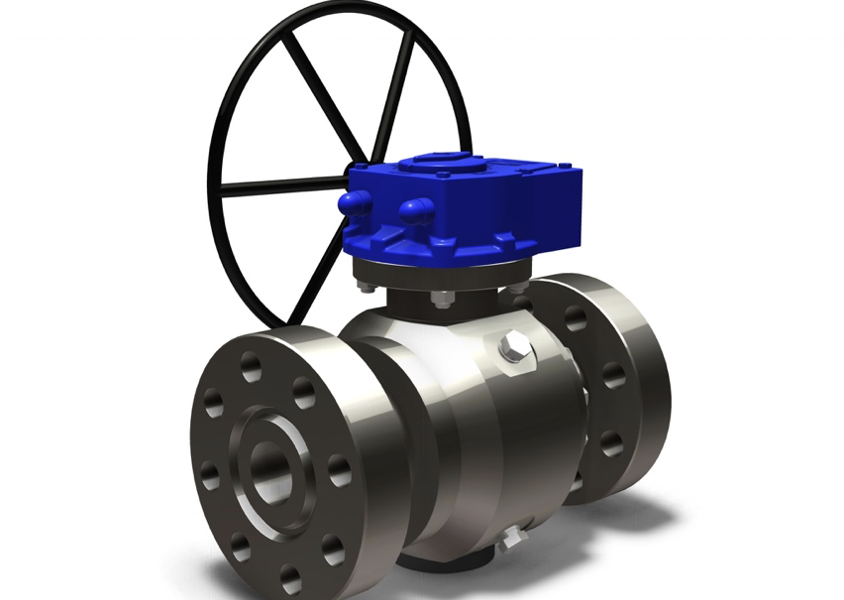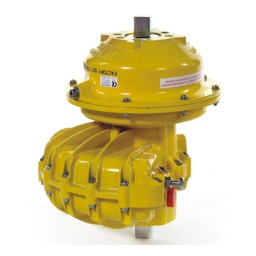



Keystone actuators are pneumatic quarter-turn devices used to automate the opening and closing of industrial valves such as ball and butterfly valves. Widely used across sectors like water treatment, oil and gas, and chemical processing, they are trusted for their durability and reliability in critical environments.
At Heap & Partners Ltd, we work closely with customers who rely on Keystone pneumatic actuators every day. While these systems are built for long service life, often validated to up to 500,000 cycles under specified conditions, issues can still arise over time, particularly in demanding applications.
Keystone Actuators: Understanding the Most Common Issues
Keystone valve actuators are designed for long-term performance, but in real-world environments such as high-cycle water treatment plants or older industrial systems, several issues can develop.
The most frequent problems include:
- Actuator not opening or closing fully
- Air supply and pressure issues
- Internal wear or torque loss
- Positioning inaccuracies
- Corrosion and environmental damage
- Installation or alignment faults
The good news is that most of these problems are preventable with correct setup and maintenance.
Keystone Actuators Not Opening or Closing Fully
One of the most common issues with Keystone quarter-turn actuators is incomplete valve movement.
Why it happens:
- Incorrect actuator sizing for valve torque requirements
- Misaligned mounting between actuator and valve
- Travel stops set incorrectly
- Insufficient or inconsistent air pressure
Even small setup errors can prevent full rotation.
How to fix it:
Check actuator sizing first. Undersized actuators will struggle, particularly under load or in high-pressure systems.
Inspect and adjust travel stops (typically +/- 5 degrees). Incorrect limits can physically restrict valve movement.
Finally, confirm air supply pressure is stable and within operating range (often up to around 8 bar depending on system design).
Keystone Actuators Air Supply and Pressure Problems
Keystone pneumatic actuators depend entirely on a clean and stable air supply.
Common causes:
- Low or fluctuating air pressure
- Contaminated air (moisture, oil or debris)
- Leaks in pipework or fittings
These issues often result in slow response times or erratic operation.
How to fix it:
Ensure the air supply is regulated and meets system requirements.
Install filtration and drying systems where needed. Poor air quality is one of the leading causes of premature actuator failure.
Inspect all connections for leaks. Even minor pressure loss can impact performance.
Keystone Actuators Losing Torque Over Time
A gradual reduction in torque is often seen in older Keystone actuator installations.
Why it happens:
- Wear on bearings and internal seals
- Spring fatigue in spring-return actuators
- Lack of lubrication
- Exceeding design cycle limits
In high-cycle environments such as processing plants, this is more common.
How to fix it:
Introduce regular inspection schedules. Replace worn components before failure.
Check spring packs in spring-return units. Modern designs often use multiple springs to allow flexible torque output, but these can degrade over time.
If performance continues to drop, upgrading to a newer actuator design may be more cost-effective long term.
Keystone Actuators Positioning and Control Issues
Accurate positioning is essential for automated systems.
Common causes:
- Incorrect travel stop calibration
- Faulty position indicators
- Mechanical wear affecting movement accuracy
This can result in valves not sealing correctly or process inefficiencies.
How to fix it:
Recalibrate travel stops to ensure correct open and closed positions.
Check feedback systems and indicators. In many cases, the issue lies within the control loop rather than the actuator itself.
Inspect the rack and pinion mechanism for wear. High-quality Keystone-style actuators use balanced designs to reduce side loading and extend lifespan.
Keystone Actuators Corrosion and Environmental Damage
Industrial environments can be harsh, particularly in chemical or offshore applications.
Typical causes:
- Exposure to corrosive atmospheres
- Inadequate protective coatings
- Operating outside temperature limits
How to fix it:
Ensure actuators are specified correctly for the environment.
Modern designs often include anodised aluminium bodies with protective coatings to resist corrosion.
Check temperature ratings carefully. Many high-quality actuators operate across wide ranges, from sub-zero conditions up to 150°C.
If corrosion is advanced, replacement is usually the safest option.
Keystone Actuators Installation and Alignment Issues
Incorrect installation is one of the most overlooked causes of actuator failure.
Why it matters:
Misalignment between actuator and valve introduces unnecessary stress, leading to premature wear.
How to fix it:
Ensure compatibility with mounting standards such as ISO 5211.
Check alignment during installation and commissioning. A properly installed actuator should operate smoothly with minimal resistance.
Keystone Actuators: How They Work
Keystone pneumatic actuators use compressed air to generate motion.
Air pressure drives pistons within the actuator body, which in turn move a rack and pinion mechanism. This converts linear motion into rotary motion, allowing the actuator to turn the valve 90 degrees (quarter-turn).
This simple but effective design is why Keystone actuators are widely used across industrial applications.
Keystone F89 Actuators and Modern Alternatives
Modern actuator designs, such as the Keystone F89, are built to address many of the issues outlined above.
Key features include:
- Double rack and pinion design to minimise wear
- Compatibility with ISO 5211 mounting standards
- Adjustable travel stops for precise positioning
- Durable coatings for corrosion resistance
- Options for double acting and spring return operation
These improvements help extend lifespan, improve safety and reduce maintenance requirements.
For more information on modern pneumatic actuator solutions, explore our full range of actuator systems available through Heap & Partners Ltd.
Keystone Actuators: Preventing Problems Before They Start
Most Keystone actuator issues can be avoided with the right approach.
Best practices include:
- Correct actuator sizing from the outset
- Clean, regulated air supply
- Routine inspection and maintenance
- Proper installation and alignment
- Selecting materials suited to the operating environment
Taking these steps early can significantly extend actuator lifespan and reduce downtime.
Keystone Actuators FAQs
What are Keystone actuators used for?
Keystone actuators are used to automate the opening and closing of valves in industrial systems, particularly ball and butterfly valves.
Why is my Keystone actuator not working?
Common causes include low air pressure, incorrect sizing, misalignment or internal wear.
How long do Keystone actuators last?
High-quality actuators can last up to 500,000 cycles or more, depending on operating conditions and maintenance.
Can Keystone actuators be repaired?
Yes, many issues can be resolved through maintenance or component replacement, although older units may be better replaced.
What pressure do Keystone actuators require?
Most pneumatic actuators operate within a range of up to around 8 bar, depending on the model and application.
Keystone Actuators Support and Replacement Options
If problems persist, it may be time to review your actuator setup.
At Heap & Partners Ltd, we supply and support a wide range of pneumatic and quarter-turn actuator solutions, including high-performance alternatives to Keystone actuators.
We can assist with:
- Actuator selection and sizing
- Replacement units and upgrades
- Maintenance and refurbishment
- Complete valve and actuator packages
If you are experiencing ongoing issues, it is often worth reviewing the full system rather than replacing individual components.
Get in touch with our engineering team today to find the right solution for your application.