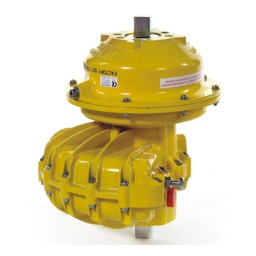


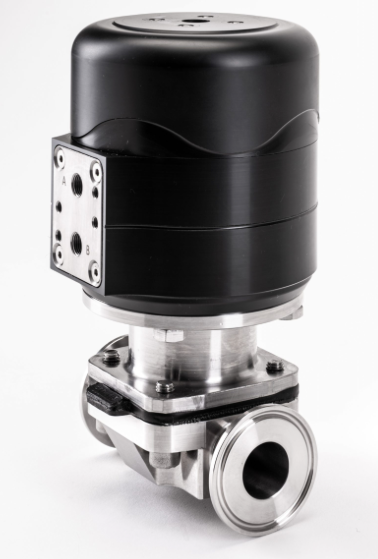
LC actuators are linear compact pneumatic devices used to automate diaphragm valves, providing precise flow control and 100 percent leak tight closure in industrial systems.
In water treatment plants, particularly across chemical dosing, filtration and clean water distribution, reliability and hygiene are critical. Systems often run continuously, and even minor failures can lead to costly downtime or compliance issues.
At Heap & Partners Ltd, we supply Phase LC actuators designed specifically for diaphragm valve applications.
LC Actuators in Water Treatment Systems: Why They Are Used
LC diaphragm valve actuators are designed to meet the demands of environments where precision, cleanliness and durability are essential.
In water treatment systems, they are commonly used for:
- Chemical dosing control
- Filtration processes
- Flow isolation within pipe networks
- Clean and wastewater handling
Their compact design makes them particularly useful in plant rooms where space is limited, while their reliability ensures consistent valve operation over long periods.
Compared to manual valve operation, LC actuators provide greater control, repeatability and efficiency, especially in automated systems.
LC Actuators: How They Work
LC actuators operate using a pneumatic air supply to create linear motion.
Compressed air drives an internal mechanism that moves the actuator spindle, which in turn compresses or releases the diaphragm within the valve. This allows for controlled opening and closing of the valve.
Key characteristics of this linear compact actuator design include:
- Smooth, controlled motion for accurate flow regulation
- Direct mounting to the valve, eliminating alignment issues
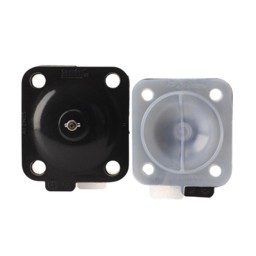
- Full support of the diaphragm to extend service life
This simple, efficient design is one of the reasons LC actuators are widely used in water treatment applications.
LC Actuators Delivering Leak Tight Performance
In water treatment systems, achieving complete shut-off is essential.
LC actuators are designed to provide 100 percent leak tight closure against recommended line pressures. This is particularly important in:
- Chemical dosing systems where accuracy is critical
- Isolation points in treatment processes
- Handling of aggressive or hazardous media
In practical terms, this means operators can rely on consistent sealing performance without constant adjustment or intervention.
LC Actuators and Hygienic System Design
Hygiene is a key requirement in many water treatment environments, particularly where potable water or sensitive processes are involved.
LC actuators support hygienic design through:
- Smooth external surfaces that reduce contamination build-up
- Glandless construction, minimising potential leak paths
- Compatibility with a wide range of diaphragm materials
- Optional stainless steel housing that is autoclavable
This makes them suitable for applications where cleanliness and system integrity must be maintained at all times.
LC Actuators Reducing Maintenance and Downtime
Reducing maintenance is a priority in any treatment facility.
LC actuators are engineered for high efficiency and minimal wear, helping to extend operational life and reduce servicing requirements.
In real-world plant environments, this results in:
- Fewer breakdowns and interventions
- Lower long-term maintenance costs
- Improved system uptime
The ability to retrofit LC actuators onto existing manual valves also allows operators to upgrade systems without full replacement, which is particularly useful in older facilities.
LC Actuators Installation Flexibility in Water Treatment Plants
Installation flexibility is often essential, especially when upgrading existing systems.
LC actuators can be:
- Installed in-line during new system builds
- Retrofitted onto existing manual diaphragm valves
- Fitted within workshop environments prior to installation
Direct mounting eliminates misalignment between the actuator and valve, which helps prevent unnecessary wear and ensures smoother operation over time.
LC Actuators Performance and Operating Conditions
Water treatment systems require actuators that can perform consistently under varying conditions.
Phase LC actuators are designed to operate within:
- Working supply pressure of around 6 bar
- Valve sizes typically ranging from 8 mm to 50 mm
- Continuous operation across demanding environments
Material selection also plays a key role in durability:
- Acetal resin body for strength and corrosion resistance
- 316 stainless steel components for critical parts
- Nitrile seals with optional upgrades for more demanding applications
These features ensure long-term reliability across a wide range of treatment processes.
LC Actuators Integration with Control Systems
Automation is central to modern water treatment operations.
LC actuators integrate easily with control systems through:
- Namur mounting plates for solenoid operation
- Standardised porting (1/8” BSPP with NPT options available)
- Position indication for monitoring valve status
This allows engineers to incorporate LC actuators into wider process control strategies, improving efficiency and visibility.
Phase LC Actuator for Water Treatment Systems
The Phase LC actuator is specifically designed for diaphragm valve actuation in demanding industrial environments.
Key features include:
- 100 percent leak tight closure
- Compact, lightweight design
- Glandless construction for reduced emissions and maintenance
- Compatibility with Phase and Saunders diaphragm valves
- Air open, fail closed and double acting configurations
- Retrofit capability for existing manual valves
With a working pressure of around 6 bar and robust material construction, the Phase LC actuator is well suited to water treatment applications where reliability and hygiene are essential.
You can view the full specification and product details on our Phase LC actuator page.
LC Actuators: Best Practice for Specification
To ensure optimal performance, it is important to select the right LC actuator for the application.
Key considerations include:
- Valve size and diaphragm type
- Required operating pressure
- Environmental conditions such as chemical exposure
- Integration with control systems
Taking the time to specify correctly at the outset helps avoid performance issues and reduces long-term maintenance requirements.
LC Actuators FAQs
What are LC actuators used for?
LC actuators are used to automate diaphragm valves, providing precise control of flow in systems such as water treatment, chemical dosing and filtration.
Are LC actuators suitable for water treatment?
Yes, LC actuators are widely used in water treatment systems due to their hygienic design, reliability and leak tight performance.
What pressure do LC actuators require?
Most LC actuators operate with a working supply pressure of around 6 bar, depending on the application.
Can LC actuators be retrofitted to existing valves?
Yes, LC actuators can be installed onto existing manual diaphragm valves, allowing systems to be upgraded without full replacement.
What is the difference between LC actuators and standard pneumatic actuators?
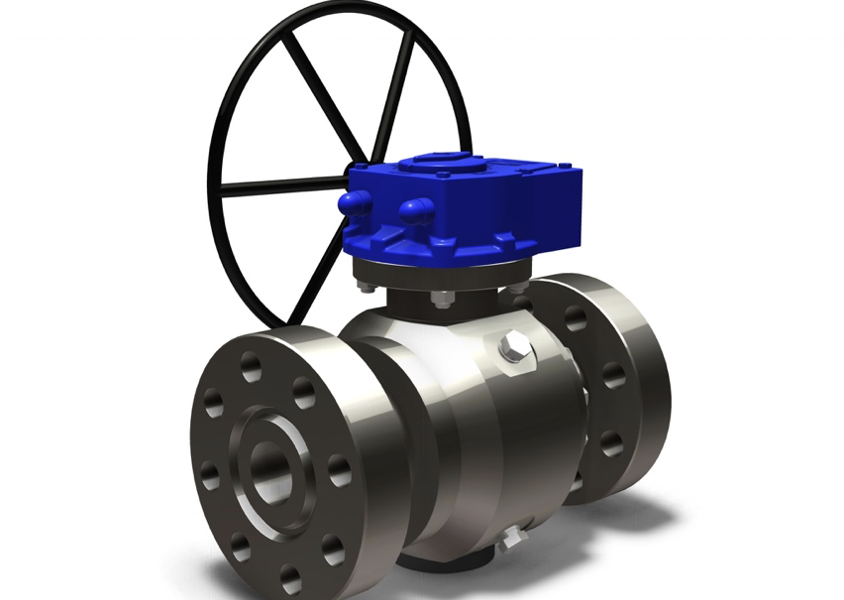
LC actuators are linear compact actuators specifically designed for diaphragm valves, whereas standard pneumatic actuators are often rotary and used for ball or butterfly valves.
LC Actuators Support and Supply
If you are looking to improve system reliability, LC actuators offer a practical and efficient solution for diaphragm valve automation.
At Heap & Partners Ltd, we supply Phase LC actuators as part of complete valve assemblies or as standalone retrofit solutions.
We support customers with:
- Actuator selection and specification
- Supply of new systems and components
- Retrofit solutions for existing installations
- Ongoing technical support
LC actuators remain one of the most effective solutions for reliable diaphragm valve control in water treatment systems.
Get in touch with our team today to discuss how LC actuators can be integrated into your application.